

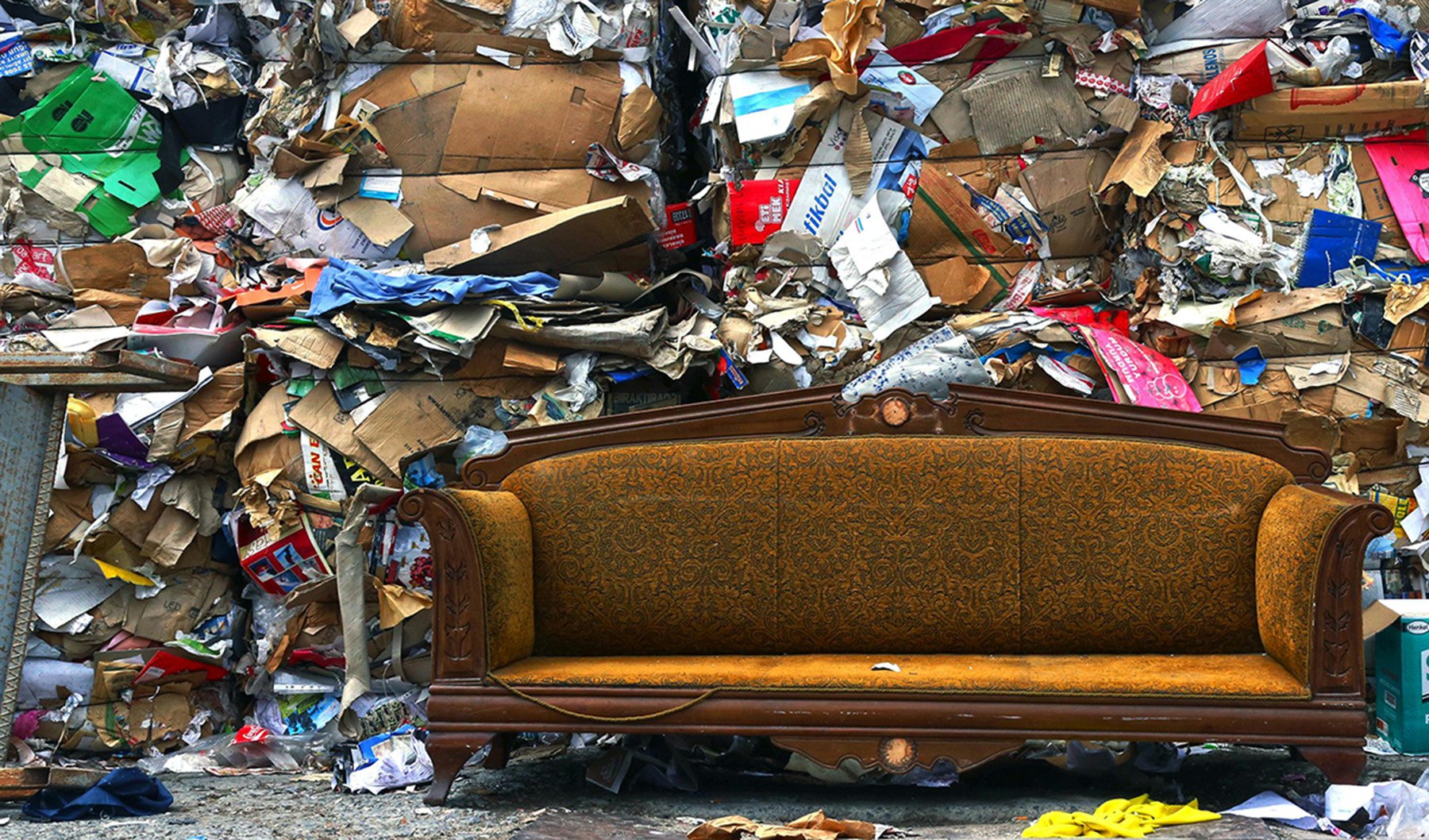
Image by by Şahin Sezer Dinçer
Fast furniture has reshaped how we buy, use, and discard the things we live on. This shift didn’t happen because we suddenly decided particleboard bookshelves were sexy. Instead, it was the result of deliberate industry choices made during moments of financial crisis, combined with consumers adapting to their own economic anxieties. The fast furniture model was first pioneered by IKEA in the mid-1990s, and later accelerated by e-commerce giants like Wayfair in the early 2000s.
The 2008 financial crisis marked another pivotal moment for the furniture industry. Financially strained consumers, tighter credit, and rising manufacturing and shipping costs forced retailers to slash prices dramatically. While mid-range furniture chains struggled, high-end manufacturers actually saw growth. Luxury furniture held up well through the crisis, and people began "shopping more strategically" - avoiding trendy items in favor of durable, traditional goods. The crisis also accelerated furniture manufacturing moving overseas, which made cheap furniture even cheaper and more accessible. Mid-tier retailers, unable to compete, collapsed entirely, leaving a gap between disposable furniture and premium pieces.
This shift hollowed out the middle of the market, creating a stark divide between ultra-cheap, short-lived products and high-end, long-lasting ones. About 10% of furniture retailers closed their doors for good in 2008, most of them small family-run businesses. At the same time, American furniture manufacturing jobs declined sharply, and the craftsmanship that once anchored everyday furniture slipped further from reach.
What followed was a fundamental reshaping of how Americans buy, use, and discard the things they sit, sleep, and live on. Fast furniture didn’t just emerge from this shift, it came to define it. Prioritizing affordability and speed over quality, this model has transformed the industry, often at a staggering environmental and cultural cost.
Sale Addiction
To survive, furniture stores had to discount heavily to move inventory and generate cash flow during the crisis. Consumers became conditioned to never pay full price, always wait for sales, and expect constant discounts. “Sale addiction" is real and a key part of why the furniture industry shifted so dramatically toward disposable, low-quality pieces after 2008.
The financial crisis didn't just hurt furniture retailers temporarily, it fundamentally changed consumer behavior. Economic impacts have a short lifespan while psychological impacts, anticipation of a future crises and spending habits, have a longer-lasting effect. This created the perfect environment for fast furniture to thrive in the 2010s, because consumers were trained to prioritize price over quality, and retailers were trapped in a race to the bottom on pricing. Consumers became conditioned to assume that "Full price" is fake, every price has a lower price so there's no reason to pay what something actually costs.
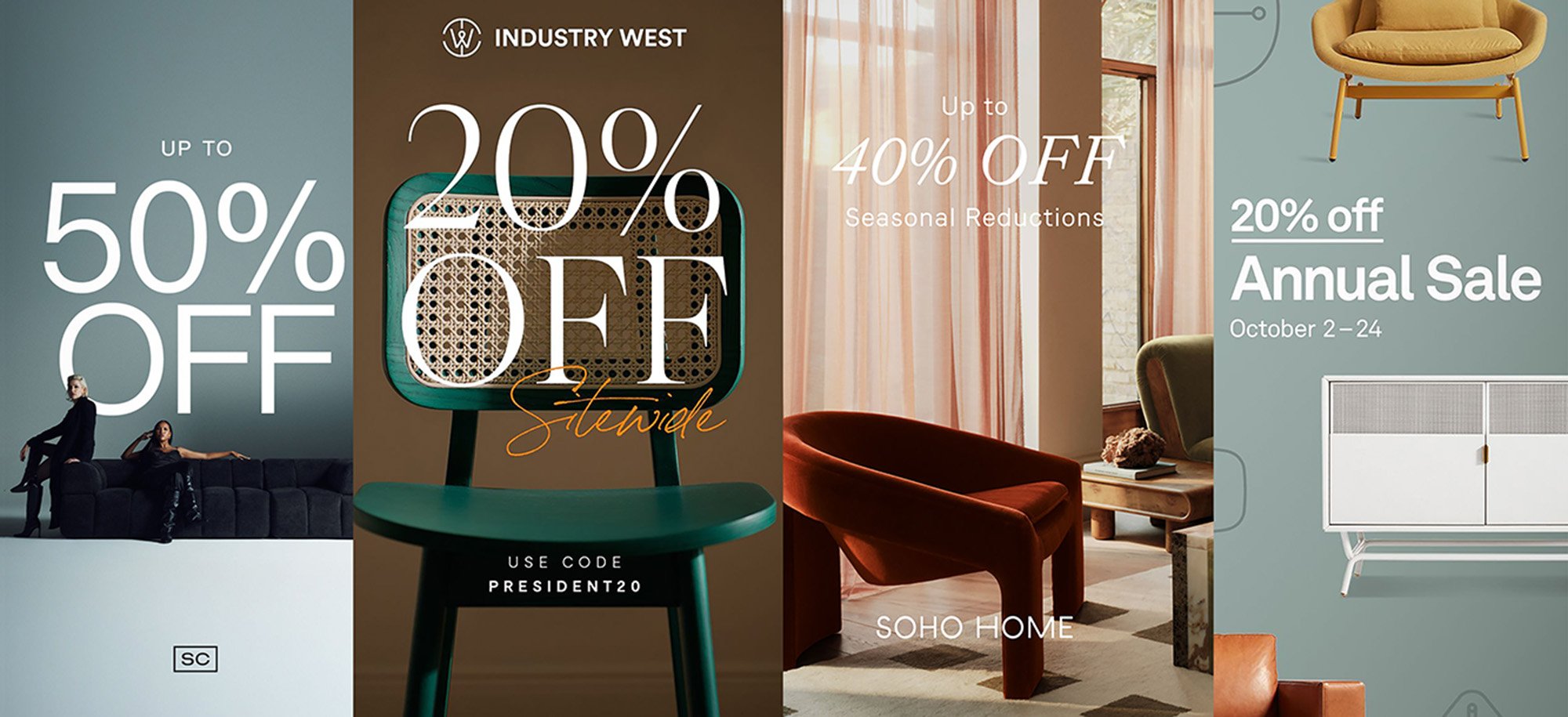
Once this mindset took hold, it become a self-perpetuating loop: retailers discount → consumers expect discounts → retailers discount even more → quality drops to protect profit margins.
The relentless sales created a kind of discount fatigue - too many offers meant that nothing felt special anymore. Furniture retail became a hall of mirrors. Pieces launched with inflated "original" prices so the discount looked dramatic. The same dresser appeared under five different product names so it could be "new" again. Shoppers were promised miraculous savings, even though most items had never been sold at their so-called list price?
So how did furniture brands survive in this environment of constant sales and shrinking margins?
They lowered the quality.
Cutting Quality
Several factors led to this decline. Two major drivers were China receiving permanent Most Favored Nation status in 2001 and the rise of mass-market retailers like IKEA, West Elm, and Wayfair, which prioritized affordability and fast production over longevity. To compete, even high-end retailers felt pressure to find cheaper materials and production methods, sacrificing the craftsmanship that once defined well-made furniture.
Most manufacturing moved overseas, where cheaper workforces and raw materials meant companies could charge lower prices and make higher profits. This flooded the market with fast furniture alongside fast fashion which followed the same playbook: offshore manufacturing, planned disposability, and trend cycles accelerated just fast enough to keep the replacement purchases coming.
The material shift was dramatic. Furniture used to be crafted from solid hardwoods like walnut, cherry, oak, and mahogany. Today, much of what's sold in big-box stores is made from MDF (medium-density fiberboard) or particle board dressed up with a thin decorative veneer. Visually passable, structurally weak, and nearly impossible to repair. This wasn't accidental, but a deliberate business decision. Design something cheap enough to seem affordable, fragile enough to need replacing, and just attractive enough to buy. The industry has a name for it - planned obsolescence. It’s less a calculated conspiracy than a slow erosion, each cost-cutting decision making the next one easier to justify, until the idea of furniture lasting a lifetime started to seem impractical rather than normal.
The environmental consequences are staggering. An estimated 9 million tons of furniture waste are added to U.S. landfills every year. Unlike a worn-out t-shirt, a collapsed particleboard dresser can't be composted or broken down. Furniture made from MDF and particleboard is bound with synthetic resins, wrapped in melamine or vinyl finishes, and constructed in ways that make material recovery nearly impossible. These products are optimized for affordability and speed - not sustainability or circularity. They are designed for the landfill from day one.
And for pieces that somehow held together, the trend cycle will take care of that. The wicker mushroom side table didn't need to fall apart to end up on the curb. It’s just not as fabulous as the painted garden stool you saw on Instagram last Tuesday.
Social Media and Trend Culture
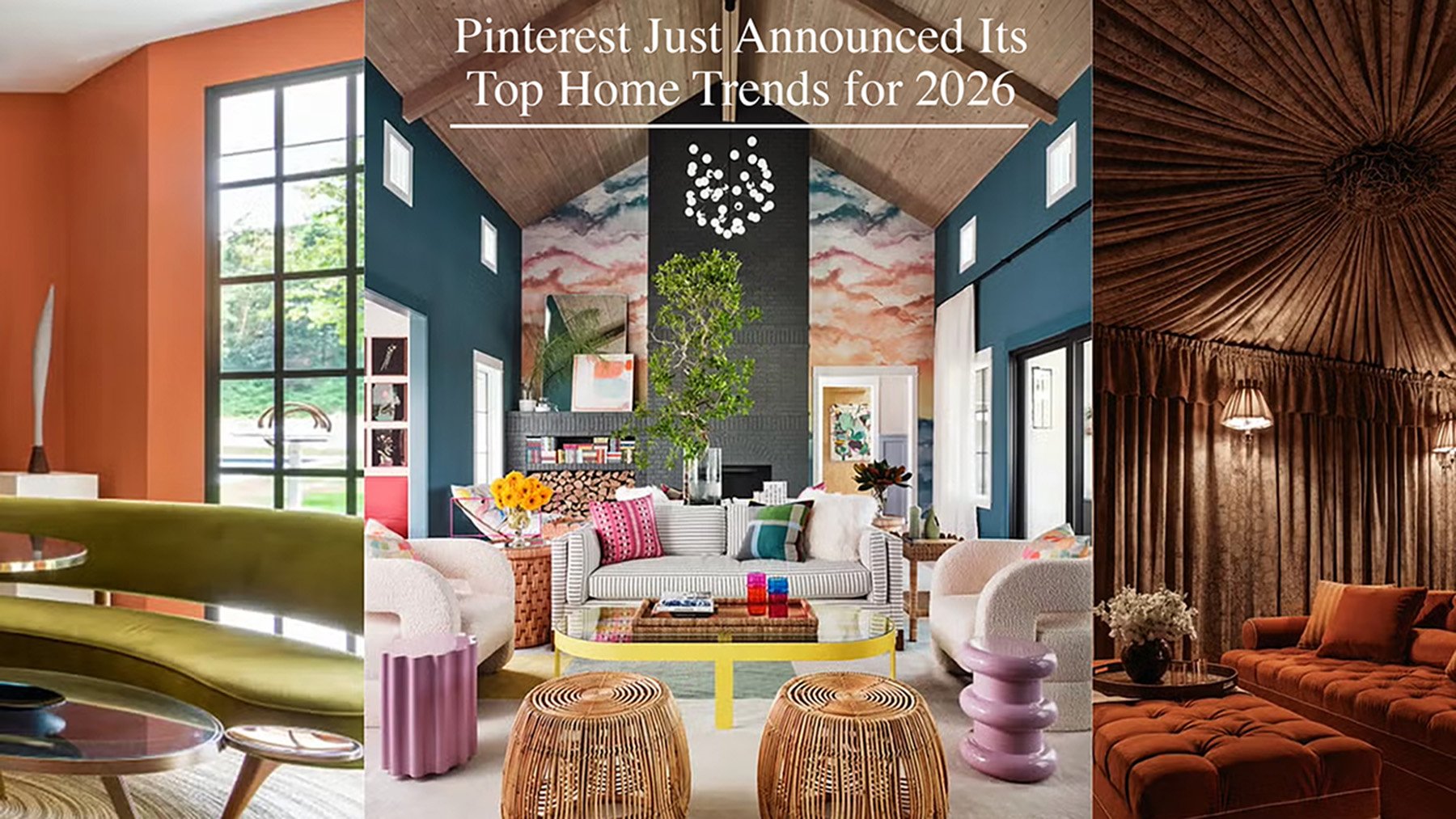
In the mid-2010s, platforms like Instagram and TikTok democratized access to design inspiration making it more accessible while simultaneously creating a hyper-awareness of what’s considered “Insta-worthy.” These platforms have fundamentally reshaped how furniture is marketed and consumed.
Filters and styling tricks make budget brands appear high-end, blurring the distinction between a $200 bookshelf and a $2,000 one. Shoppable content allows users to discover and purchase furniture directly within apps, making the process seamless and impulsive. Trend cycles have accelerated dramatically with as many interior trends coming and going in the last decade as in the previous thirty years combined. Meanwhile, curated, aspirational interiors flooding our feeds create a constant sense of urgency to replicate them quickly and affordably.
Social media has become the starting point for how people approach their homes, with 72% of consumers using Instagram and Pinterest for home décor inspiration before making a purchase. But this speed of inspiration often comes at a cost. 33% of consumers make purchases driven by trend-based, “Instagram-worthy” aesthetics, and 61% of them later regret those purchases. This reflects a shift toward designing for the moment rather than for longevity.
Understanding why requires looking at how these platforms are deliberately engineered to collapse the distance between aspiration and purchase. Pinterest's "Home Trends" reports shape consumer preferences by surfacing popular styles based on user behavior, driving demand for specific aesthetics like Japandi or maximalism before most people could even name them. Wayfair's "Shop the Look" feature allows users to purchase tagged products directly from Instagram and Pinterest posts, making the leap from inspiration to transaction nearly frictionless.
The result is a consumer culture primed for fast furniture and an industry more than happy to supply it.
Brands Choosing a Different Path
It's easy to feel overwhelmed by the scale of the problem. Fast furniture is everywhere, the system that produces it is enormous, and the forces driving it - convenience, affordability, and social pressures are deeply embedded in daily life. But individual choices matter more than we think, and collectively they have the power to shift markets. The way we’re consuming the planet’s resources is unsustainable. If the new products we’re purchasing can’t exist within a sustainable economy, it’s time to rethink our choices.
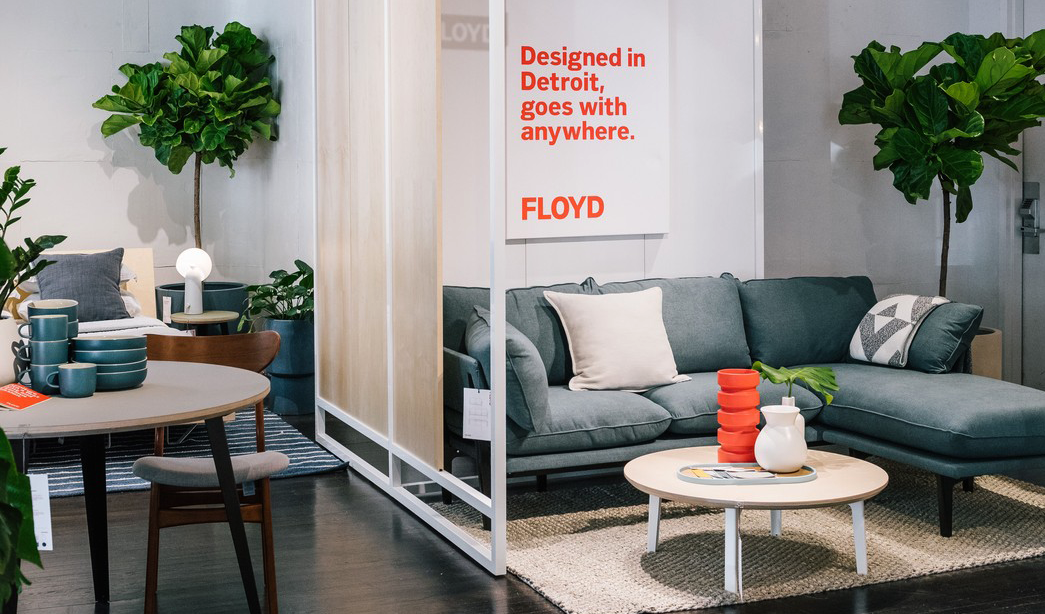
If you have the resources, invest in ethical, high-quality pieces that support fair labor practices and are built to last. Brands like Floyd, Stickley, and Cisco Brothers are proving that it is possible to make beautiful, durable furniture while paying workers fairly. Their prices can seem excessive unless you understand what's behind the number. It's the $30 jeans versus the $250 jeans problem all over again. We're not comparing like with like. One is made to endure. One is made to be replaced. Cheap feels like a deal until you're on your third "deal" in five years. The value is there, but our relationship and perception of value and price is so broken right now, scrambled by decades of artificially low prices subsidized by poor quality and exploited labor.
If your budget is tighter, buying vintage or secondhand is one of the most impactful choices you can make. By choosing pre-loved furniture, you actively contribute to a circular economy which is an approach that keeps materials in continuous use and transforms waste into valuable resources. Instead of discarding materials, this model reimagines them for new life and purpose, reducing the environmental impact of disposable furniture.
A circular economy isn’t just about recycling; it’s about designing and consuming in ways that prioritize longevity, repairability, and reuse. Vintage and secondhand pieces embody these principles, offering a sustainable alternative to fast furniture. They keep quality materials out of landfills, reduce the carbon footprint of producing new, and bring unique character and history to a space. Qualities that mass-produced furniture simply can’t replicate.
Let’s slow down the process of it all and really think about what we buy. Before making your next furniture purchase, ask yourself: Will this piece last for years to come? Do you actually need this item, or are you shopping because you’re having a rough day? Thoughtful consumption is a powerful way we can build a more sustainable future.
The patterns established in 2008; sale addiction, the quality decline, the psychological rewiring of how we value things didn't disappear. They set the stage for how the industry, and consumers, responded to the next crisis. In a future post, we'll look at how the COVID-19 pandemic accelerated everything, and where it left us.
At Diagram, restoration is central to our design practice — not as a trend, but as a philosophy. We source, restore, and reimagine vintage and antique furniture for residential clients and fellow designers, working with skilled local craftspeople to give well-made pieces a second life. If you're interested in working together, we'd love to hear about your project.
